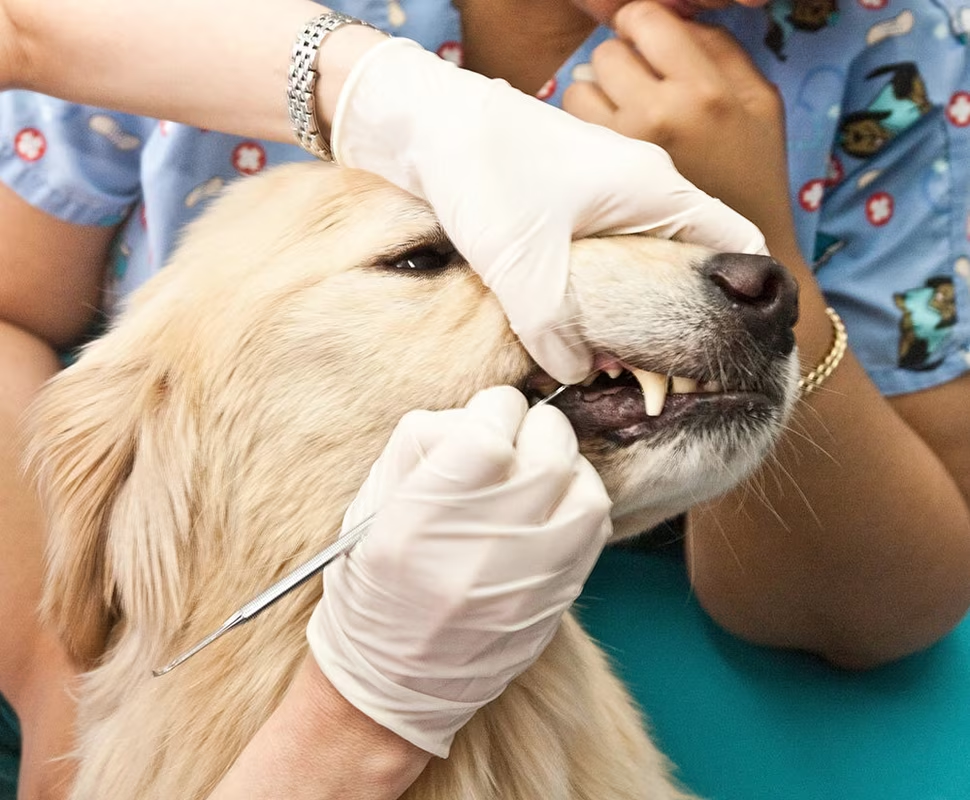
Gingival hyperplasia is a common condition in brachycephalic breeds such as Boxers, Bulldogs, Pugs, and Cavalier King Charles Spaniels. This overgrowth of the gum tissue can trap food, worsen periodontal disease, and make oral exams and cleanings more difficult.
What Is Gingival Hyperplasia?
Gingival hyperplasia refers to the thickening and overgrowth of the gum tissue. It can be:
- Idiopathic (breed-related)
- Inflammatory (due to plaque and tartar)
- Drug-induced (e.g., ciclosporin or calcium channel blockers)
In brachycephalic breeds, it is often fibrous and excessive, contributing to periodontal disease if left untreated.
Signs to Look For
- Bulky, folded gums that cover part of the tooth crown
- Bleeding gums
- Foul-smelling breath
- Difficulty chewing or pawing at the mouth
- Recurrent infections around gum margins
Why It Matters
Gingival hyperplasia can create pseudopockets that trap debris and bacteria, accelerating periodontal disease and increasing the risk of tooth loss or systemic infection. In severe cases, it can obscure tumors or cysts hiding beneath the tissue.
Treatment Options
- Gingivoplasty
Surgical reshaping of the gums to restore normal contours and expose the tooth surfaces. - Gingivectomy
Removal of excess gum tissue—ideal for fibrous, breed-related hyperplasia or inflammatory overgrowth. - Histopathology
Samples of removed tissue may be sent for biopsy to rule out neoplastic processes. - Follow-Up Care
- Regular COHATs (Comprehensive Oral Health Assessment & Treatment)
- Home oral hygiene (tooth brushing, appropriate dental chews)
- Monitoring for recurrence
How Melbourne Animal Dentistry Can Help
With specialised equipment and techniques, we can safely and precisely manage gingival hyperplasia to improve your pet’s comfort, oral health, and quality of life. Dr. Peter Bradbrook’s experience ensures tissue is removed conservatively, preserving underlying structures and aesthetics.
Book a Consultation
It’s easy and free!