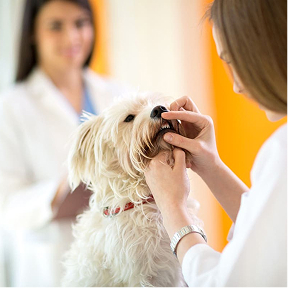
Root canal therapy (RCT) is a highly effective, tooth-sparing procedure commonly performed on dogs and occasionally on cats. For fractured or non-vital teeth—especially the canines and carnassials—it provides pain relief, preserves function, and avoids the complications of surgical extraction.
When Is Root Canal Therapy Indicated?
Root canal therapy is typically recommended when:
- A tooth is fractured with pulp exposure
- There’s evidence of pulpitis or pulp necrosis
- The tooth has strategic value (canines, carnassials, incisors for bite alignment or function)
- The owner desires a functional, cosmetic, or less invasive option than extraction
Common candidates include:
- Working dogs with fractured canine teeth
- Show dogs where appearance matters
- Pets with compromised jaw structure (e.g., small breeds with mandibular crowding)
What the Procedure Involves
- Diagnostic Radiographs
Evaluate root structure, periapical pathology, and confirm suitability. - Pulp Removal and Canal Cleaning
Debridement and shaping of the root canal using sterile instruments. - Canal Disinfection and Filling
Irrigation with disinfectants followed by gutta-percha or other inert filler. - Restoration of the Crown
Typically with bonded composite or metal crown (in high-wear patients).
Benefits Over Extraction
- Preserves jaw integrity
Especially critical in small breeds or when multiple extractions risk weakening the mandible. - Less invasive and less painful
Avoids bone removal and soft tissue trauma of surgical extractions. - Maintains function
Useful for dogs needing their canines for grasping, grooming, or structural bite support.
Follow-Up and Prognosis
Routine follow-up radiographs are recommended at 6–12 months. Success rates are high—over 90% with proper case selection and technique. Failure is typically due to infection, missed anatomy, or restoration breakdown.
Why Refer to a Specialist?
At Melbourne Animal Dentistry, root canal procedures are performed using advanced endodontic files, apex locators, dental operating microscopes, and high-quality restorative materials. Dr Peter Bradbrook’s dual qualification in human and veterinary dentistry ensures these procedures are performed to an exceptionally high standard.
Book a Consultation
It’s easy and free!